Tiny Skies Fighter Jet Helicopters Weapons & Flares
Master guns, missile types, bombs, rockets, weapon cycling, and flare timing so every Space press counts.
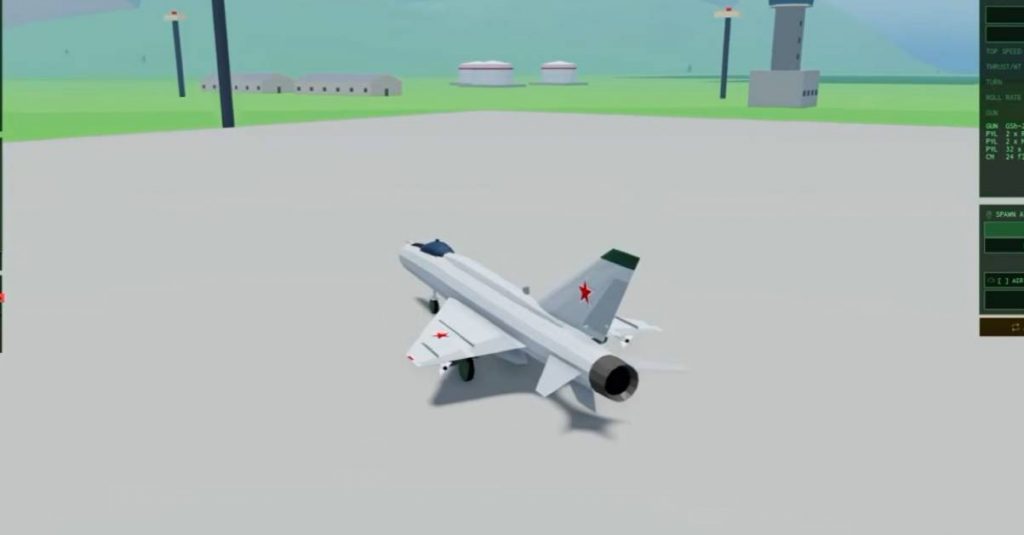
Tiny Skies Fighter Jet & Helicopters packs heat-seekers, radar missiles, anti-ship stores, bombs, rockets, and guns into one arcade cockpit. The buttons stay simple—click guns, R to cycle, Space to fire specials, X for flares—but choosing the right store at the right second wins merges and base runs. This guide is the weapons bible that pairs with Controls and the Dogfight Guide.
The core weapon loop
| Input | What it does |
|---|---|
| Left click | Fire guns |
R | Cycle to the next special weapon |
Space | Fire the currently selected special |
X | Deploy flares against heat-seeking threats |
Never mash Space on the wrong rack. Glance at your selected store before every attack run, especially in Strike and Naval where anti-ship missiles and bombs matter more than a random heat-seeker.
Guns — always-on pressure
Guns are your finisher and your panic tool when missiles are dry. Habits that work:
- Lead the target; do not shoot at the skin they already left.
- Close enough for a high-percentage burst, then break before you eat a reverse shot.
- In helicopters, use short controlled bursts while sliding—see Helicopter Guide.
Guns ignore flare theater. If someone dumps flares and flies straight, a patient gun tracking pass still ends them.
Heat-seeking missiles
Heat-seekers chase engine bloom. They are excellent for:
- Distracted targets after a merge
- Helicopters that linger in a hover
- Forcing enemies to flare and lose focus
They are weaker when the target flares early (X) and breaks hard with a throttle change. Do not fire heat-seekers as a “maybe” from impossible angles—save them for clean aspects.
Beating heat-seekers on defense
- React to the warning immediately.
- Press
Xfor flares. - Change direction and energy—turn, climb, or cut throttle so the seeker has a harder pursuit.
- Reacquire the attacker; flaring into a wall without looking up gets you gunned.
Straight-line flaring is the beginner death spiral. Combine decoys with geometry.
Radar missiles
Radar-guided shots punish pilots who only memorize the flare key. Flares are primarily a heat answer; radar threats need positioning, cover, terrain, and not presenting a perfect long chase. Practical tips:
- Do not fly predictable racetracks at medium range.
- Break the beam geometry—terrain masking and hard planform changes help more than spam
X. - Force the enemy into a gun fight if their radar shots keep missing your jinks.
Exact seeker modeling can feel arcade-simple, but the player lesson stays: not every missile is a flare problem.
Anti-ship missiles
Naval carrier battles reward pilots who actually select anti-ship stores with R before the run. Common mistakes:
- Wasting heat-seekers on steel decks
- Arriving with guns only and no egress plan
- Loitering over the carrier after the release
Fire, confirm the hit window, then extend toward friendly cover. Mode context lives on Match Modes.
Bombs and rockets
Strike base assault loves dumb-ish explosive volume:
- Bombs — high payoff on structures when your dive or level release is stable.
- Rockets — forgiving spray for armor, soft targets, and base pieces when precision bombs feel awkward.
Helicopter pilots should treat rockets as the daily driver and save fancy passes for when CAP is distracted. Jet strikers (A-4, A-10 class) should pick a release altitude they can repeat under pressure, then egress with flares ready for the interceptors that always show up late.
Weapon cycling discipline (R)
Before every engagement ask: “What am I killing?”
| Target | Prefer |
|---|---|
| Fighter in a merge | Guns + heat-seeker opportunism |
| Hovering heli | Heat-seeker then guns |
| Base building | Bombs / rockets |
| Carrier / ship | Anti-ship stores |
| Mixed furball | Guns first; missiles when aspect is clean |
Cycle early on the ingress, not after you already pressed Space on the wrong rack.
Flare timing deep dive
Early flares beat late flares. Ideal rhythm:
- Warning appears.
- Flare while you still have room to turn.
- Alter throttle so the missile’s lead solution breaks.
- Check whether a second shot is incoming before you relax.
Helicopter tip: flare during pop-up attacks when jets hunt from above. Jet tip: do not waste the entire flare magazine on a missile that already missed—save stock for the next volley.
Loadout mindset by mode
- Dogfight — guns mastery first; missiles as tempo tools (Dogfight Guide).
- Free-for-All — assume every contact is hostile; keep a missile ready for third parties.
- Strike — racks for ground, flares for the CAP that arrives on your egress.
- Naval — anti-ship selected before deck departure when that is the plan.
Practice drills (15 minutes)
- Gun-only passes until you stop spraying.
- Cycle
Rthrough every store on your free jet and name them aloud. - Fire one intentional
Spaceshot per store type. - Simulate missile panic: flare (
X) + break + reacquire. - In a Strike match, refuse to fire air-to-air missiles at buildings.
Related pages
Weapons in Tiny Skies are simple to touch and deep to master. Select the right rack, fire with intent, and treat X as a timed decision—not a panic mash.
Frequently Asked Questions
Quick answers about jets, helicopters, credits, and match modes.
What does the R key do?
R cycles your special weapon selection so you can switch among missiles, rockets, bombs, or anti-ship stores before pressing Space.
Do flares stop every missile?
No. Flares are primarily for heat-seeking threats. Radar missiles and guns still require maneuvering, cover, and good geometry.
When should I press X for flares?
As soon as you get a heat-seeker warning—flare early, then turn or change throttle. Waiting until the missile is glued on is usually too late.
Should I use anti-ship missiles in Dogfight mode?
Generally no. Save anti-ship stores for Naval targets. In Dogfight, focus on guns and air-to-air missiles.
Are rockets or bombs better for Strike?
Both work. Rockets are forgiving for moving or armored targets; bombs punish stable base runs. Learn one release you can repeat under fire.
Can helicopters use the same weapon keys?
Yes. The shared scheme still uses click guns, R to cycle, Space to fire specials, and X for flares—payload roles just skew toward rockets and ground attack.